The confirmation call is the only moment in a cash-on-delivery sale when a person from the store speaks to the buyer before any money changes hands. Most teams use it to check the name, the address and the price. Some also use it to offer a second unit, a bigger pack or a matching accessory. Done well, that offer raises the value of a parcel that is leaving anyway. Done badly, it turns a solid order into a refusal at the door and puts the store on the wrong side of consumer law. This guide is about the offer itself, how to make it and what it can cost. The confirmation routine is covered in our COD order confirmation guide, and ready-made wording in our Darija call scripts.
Why the confirmation call decides the value of the parcel
Delivery in COD is billed per parcel, not per item. To take one published grid, Forcelog lists delivery anywhere in Casablanca from 18 dirhams and 45 dirhams in cities such as Nador, Oujda or Khouribga. A charger, a refill or a second unit that fits in the same box, within the same weight band of your carrier, travels on a fee you are already paying. The shipping cost of the order stays the same while its value goes up.
The call also comes at the best moment for the buyer's attention. They chose the product a few hours earlier, they picked up the phone, and they are about to say yes. They know what they want and they are listening to someone from the store.
The other side of that moment is risk. A specialist quoted by Le Matin puts refusal at delivery between 20 and 40% for merchants. A parcel refused at the door costs the outbound trip and the return whatever is inside, and an offer that annoys the buyer can sink the main sale with it. The whole technique rests on one rule: the offer must never weaken the order it is attached to.
Upsell, cross-sell and bundles: the offers that fit a phone call
The two terms are often mixed up. Shopify sums up the difference this way: upselling moves the buyer to a pricier version of the product, while cross-selling targets related items. On a COD call, four kinds of offers come back again and again.
| Offer | Example | When it fits | What to watch |
|---|---|---|---|
| A second unit | Another bottle of the same oil at a reduced price | Consumables, gifts, products bought for the family | Stock on hand and the buyer's budget |
| An upgrade | The large pack instead of the small one | Products sold in clear sizes or tiers | The price jump; the buyer may feel their first choice was wrong |
| A cross-sell accessory | A case with a phone, a refill with a device | Products that need something else to work well | It has to be useful, not just available |
| A bundle | A ready-made set at one price | Gifts and routines | A total that becomes hard to follow |
Whichever you choose, prepare one offer per product in advance, with its price and the new total already worked out. An agent who improvises an offer on the call also improvises the price, and that is where the trouble starts.
Confirm first, offer second: the order of the call
The offer comes after the confirmation, never before it and never in the middle of it. A clear sequence protects the order and keeps the call short.
- Confirm the original order in full: name, product, size or colour, address, phone number, total and delivery window. If any detail wobbles, fix it and make no offer on that call.
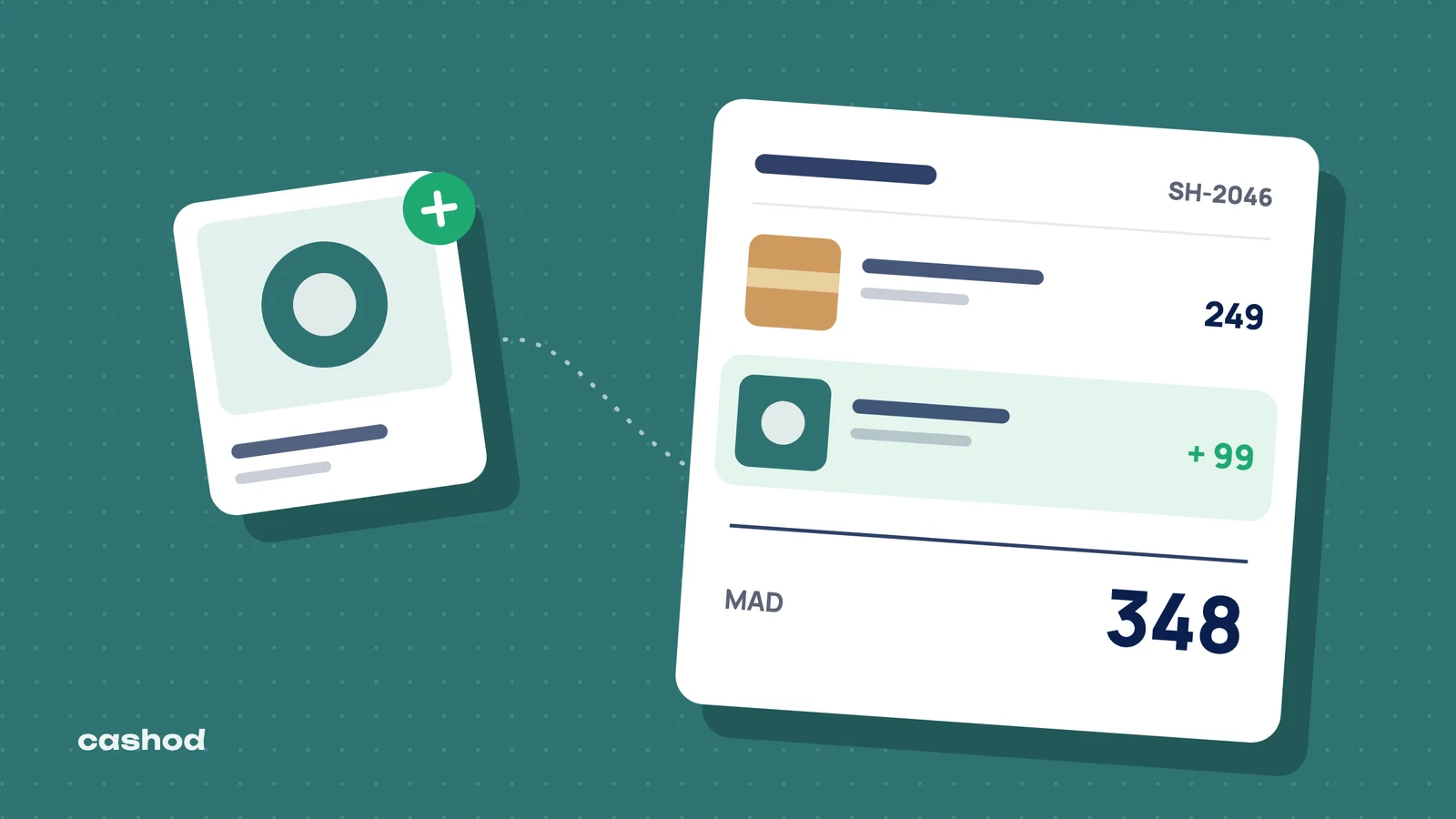
- Make one offer, in one sentence, with the price of the addition and the new total said out loud.
- Accept the first no. Thank the buyer and close the call. No second attempt and no "are you sure?".
- If the answer is yes, read back the whole new order and its new total, and get a clear yes on that amount.
- Record the addition as its own line on the order, so that you can measure it later.
Some calls should carry no offer at all: a buyer who hesitated on the price, one who already negotiated, an order that took several attempts to confirm, someone who says money is tight, or a caller who sounds confused about what they ordered. On those calls the confirmation is the only goal.
Choosing what to offer
A good offer is chosen per product before the first call, not by the agent on the spot. Four filters do most of the work.
- Relevance. Personalization can influence what consumers purchase, and the best source of relevant pairings is your own order history: which products do buyers already order together?
- Proportion. Shopify's rule of thumb is to ask, for a product at $100, whether a $25 add-on offers enough value to feel like a natural complement. In COD the cash is counted at the door, so a total far above what the buyer expected is a classic cause of refusal.
- Logistics. The item is in stock today, ships in the same parcel, and does not raise the parcel into a higher weight band. Items with many sizes, which often come back, make poor add-ons.
- Margin. The addition must earn money on its own after its purchase cost and any discount you grant. A discount that only moves stock you cannot sell is a cost, not an upsell.
Never quote a "normal price" you have never charged to make the discount look bigger. Buyers compare, and a reference price that does not hold up costs the store more trust than the offer brings in.
How an upsell turns into a refusal at the door
Refusals linked to an upsell follow a few patterns that are easy to spot when you look for them.
- The forced yes. The buyer agreed to end the call, not because they wanted the addition.
- The forgotten addition. The buyer remembers one item and the courier announces a larger amount.
- The other person at home. A relative receives the parcel, sees a total nobody mentioned, and refuses.
- The budget. The extra amount was fine on the phone and too much on delivery day.
Shopify warns that, done poorly, upselling makes you come across as an aggressive car salesperson, and it names the effect of repeated offers: upsell fatigue. On the phone, fatigue sets in fast. One offer per call is the ceiling, not a target to beat.
Three habits limit the damage: a written recap with the new total right after the call, a parcel label showing the same amount, and a pay plan that rewards upsells only when the order is delivered, as explained in our article on confirmation agent commissions and KPIs. Ask your carrier too whether a buyer can refuse only part of a parcel. If not, a refused add-on means the whole parcel comes back.
What Morocco's consumer law expects from an upsell
In Morocco the reference text is law 31-08 enacting consumer protection measures. It does not mention upselling by name, but several of its rules apply directly to an offer made over the phone. This section is a practical reading, not legal advice; for a specific case, ask a lawyer.
- Information and choice. The ministry in charge presents a right to free choice according to the needs and the means of the consumer. The law asks for information that helps the buyer make a reasonable choice according to their needs and financial means (article 3), and a price statement that includes the total price the consumer will have to pay (article 5). On a call, that means saying the new total, delivery included, before asking for a yes.
- No commitment through pressure. According to the law firm CMS, the law makes void any commitment obtained by abusing the weakness or ignorance of the consumer. Insisting with a buyer who is elderly, confused or plainly unsure is the opposite of a clean sale.
- Distance selling. Title IV of the law covers distance selling. A buyer who orders at a distance has a right of withdrawal under article 36 of law 31-08: seven days from the transaction, delivered or not, and thirty days if the supplier fails to confirm in writing the information the law requires. Under article 32, that information must reach the buyer in writing or on another durable medium, at the latest on delivery.
- Control. The ministry states that it has a control unit for merchant websites; a store that sells online is visible to it.
In practice, four rules keep an upsell clean: never add an item without an explicit yes; never pre-add an item and ask the buyer to remove it; never present the addition as a condition for getting the main product; and always send a written recap with the items, the total and how to withdraw. Sellers in Algeria, Tunisia or the Gulf should check their own country's consumer rules, which differ.
The written recap, and why it carries no offer
The written recap is where many stores slip. On WhatsApp, Meta's rules for utility messages, the category used for order updates, state that these messages must not include a promotion, a recommendation, an upsell or a cross-sell, and that a template mixing an order update with a promotion counts as marketing.
The clean split is simple. The offer is made by voice, during the call. The recap that follows states the confirmed order, including any addition the buyer accepted, the new total and the delivery window, and nothing else. A later promotion, if you send one, is a separate marketing message to someone who agreed to receive it. Our guide to automated WhatsApp order confirmation goes through the message categories in detail.
How to measure whether upsells pay
An upsell programme is judged on delivered orders, not on accepted offers. Track these figures per product and per agent, every week:
- Offer rate: the share of confirmed calls where an offer was made.
- Take rate: the share of offers accepted.
- Added value per confirmed order: the extra amount, averaged over all confirmed orders, not only those with an addition.
- Delivery rate with and without an addition: the figure that matters most. If orders with an add-on are delivered less often than the others, the offer is costing you money.
- Complaints and returns about the add-on: a buyer who says "I never asked for this" is a warning sign for the whole team.
Listen to a few calls with an accepted offer every week. You will hear quickly whether the yes was a real one. When an agent's take rate jumps while their delivery rate falls, look at the calls before you look at the bonus.
Running the confirmation script with Cashod
Cashod includes a call center where agents confirm COD orders by phone. That is where the "confirm first, offer second" sequence lives: the agent confirms the order, makes the one offer prepared for that product, and reads back the final order before closing the call.
Cashod can also confirm orders over WhatsApp, including with an AI agent. For orders confirmed that way, the rule from the previous section applies: the confirmation message confirms the order and carries no offer.
Whatever tool you use, the order of priorities stays the same. A confirmed order that gets delivered comes first; the addition is a bonus that must never put it at risk.